
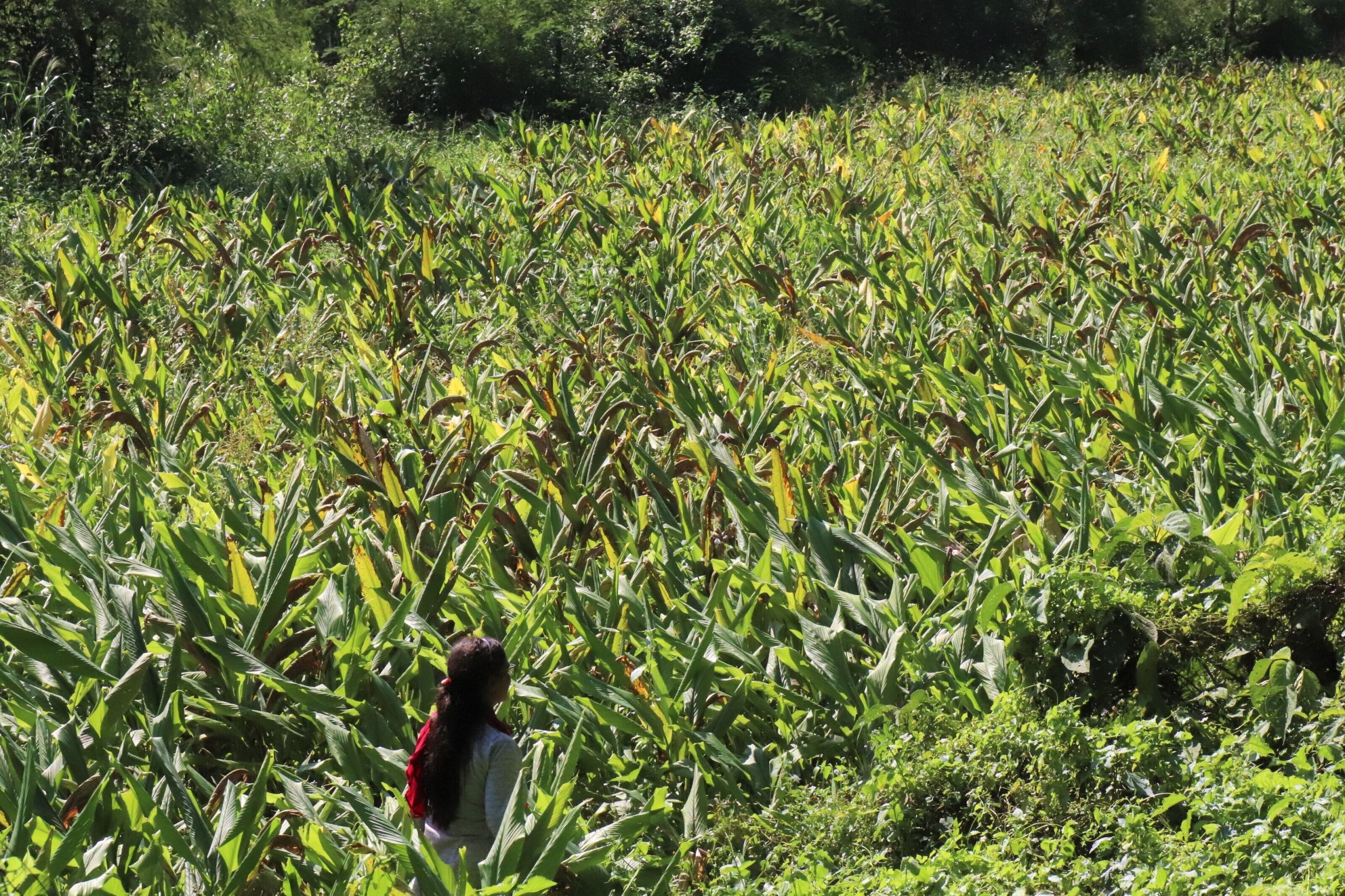
Role: Research Assistant
Location: Hetauda Nepal, Prepared by ForestAction Nepal, Submitted to UNDP, Nepal
The Green Recovery Financing Plan was a strategic initiative aimed at the post-COVID-19 recovery of forest-dependent communities, with a specific focus on strengthening Community Forest User Groups (CFUGs) in the Makwanpur District. The plan, prepared by ForestAction Nepal and submitted to UNDP Nepal, sought to rebuild local economies while integrating sustainable and climate-resilient practices into forest management. The overarching goal was to create a low-carbon, resilient economy, providing a pathway for communities to recover from the pandemic’s impact while addressing long-standing environmental challenges.
The project emphasized sustainable forest management as a core element of economic recovery. By empowering CFUGs to govern their natural resources more effectively, the plan aimed to create a foundation for long-term resilience. One critical aspect was the inclusion of marginalized and vulnerable groups, ensuring that their needs and voices were incorporated into recovery efforts. The plan also integrated eco-friendly enterprises, promoting green jobs through initiatives like eco-tourism, sustainable forest product industries, and other nature-based solutions.
In addition to improving governance structures, the project focused on enhancing institutional accountability. This was achieved by fostering stronger partnerships between local communities, government bodies, and international organizations. The plan sought to build inclusive and transparent governance mechanisms that could respond efficiently to crises, ensuring that future challenges, whether they be environmental or social, could be managed more effectively.
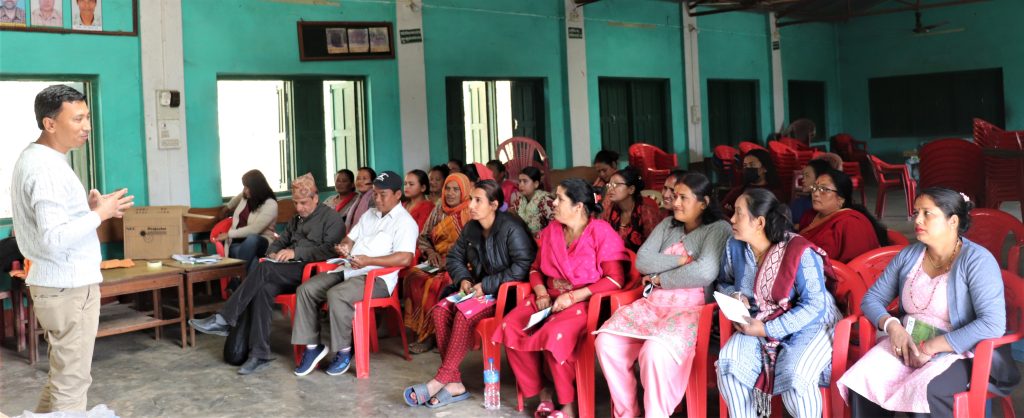
To support the plan’s goals, community engagement played a central role. Workshops were organized to raise awareness about the importance of green recovery and the significance of the Green Recovery Financing Plan. These workshops not only educated participants on the long-term benefits of integrating climate considerations into recovery efforts but also provided them with practical tools for implementing these strategies within their communities. Community involvement in the creation and execution of the plan ensured that the recovery process was tailored to local needs, fostering ownership and long-term sustainability.
The action plans developed under this initiative provided clear, costed frameworks for recovery, outlining steps to improve forest management practices, strengthen green enterprises, and enhance community resilience. These plans were carefully tailored to address the specific challenges of each CFUG involved, ensuring that the proposed solutions were both feasible and impactful.
My Roles in the Project as the research assistant:
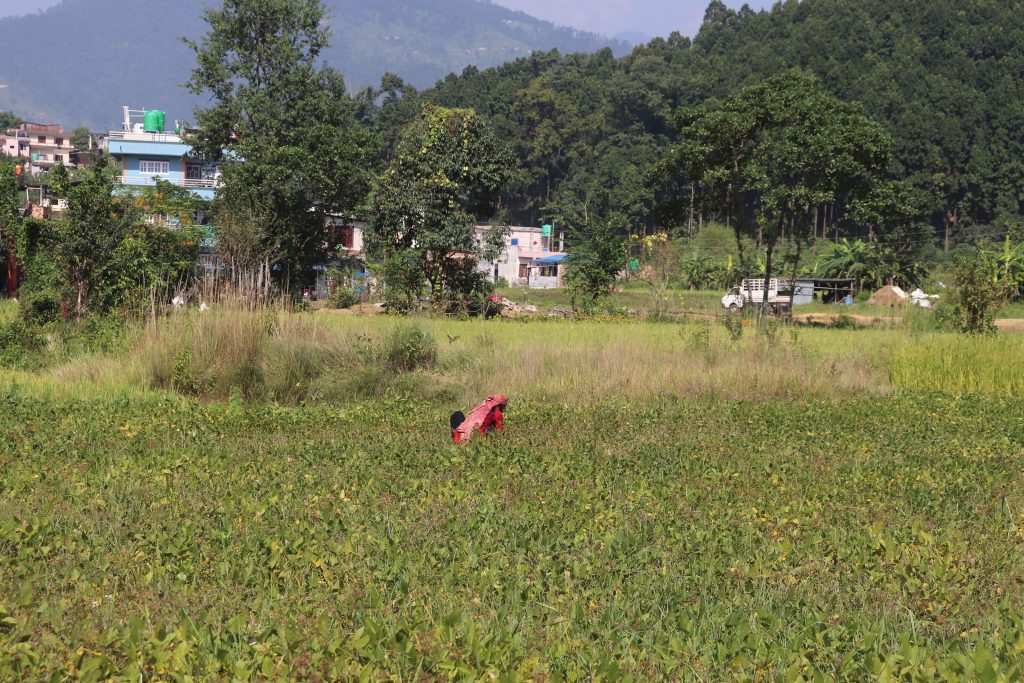
- Conducted scoping visits to assess the needs of Community Forest User Groups (CFUGs) and identify potential areas for intervention.
- Assisted in organizing workshops aimed at raising awareness about green recovery concepts and the significance of the Green Recovery Financing Plan.
- Contributed to the preparation of a participatory Green Recovery Plan tailored to local contexts, ensuring community involvement in the planning process.
- Documented the impacts of COVID-19 on forest management and community livelihoods, highlighting the experiences of marginalized groups.
- Facilitated collaboration between stakeholders, helping bridge gaps and fostering a collective approach towards sustainable solutions for post-pandemic recovery.
- Assisted in preparing the final Green Recovery Financing Plan, synthesizing data from fieldwork, interviews, and workshops to ensure actionable outcomes for sustainable forest management.
The project’s successful submission to UNDP Nepal marked a significant step toward integrating climate resilience and socio-economic recovery in forest-dependent regions, setting a precedent for future initiatives that aim to balance environmental sustainability with community well-being.

