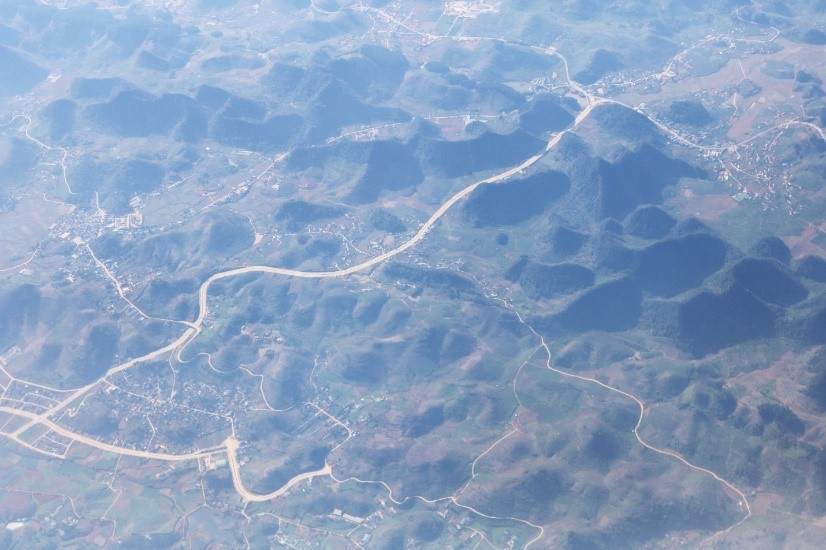
Attending the regional and final workshop, a pivotal moment in my engagement with LoCoForest, an International Training program, began on March 5, 2023. Hosted in Vietnam, a culturally diverse and resource-abundant nation, the event held the promise of an enriching experiences and knowledge acquisition.Gazing down from the skies above Vietnam, the familiar contours of the landscape below stirred memories of my homeland, Nepal. The majestic hills, quaint villages, and abundant forest resources all evoked a sense of familiarity and nostalgia. Upon our arrival at Noi Bai Airport, we received a warm welcome and were promptly assisted by the Locoforest and VNUF (Vietnam National Forestry University) teams, who graciously ushered us to our awaiting accommodations.
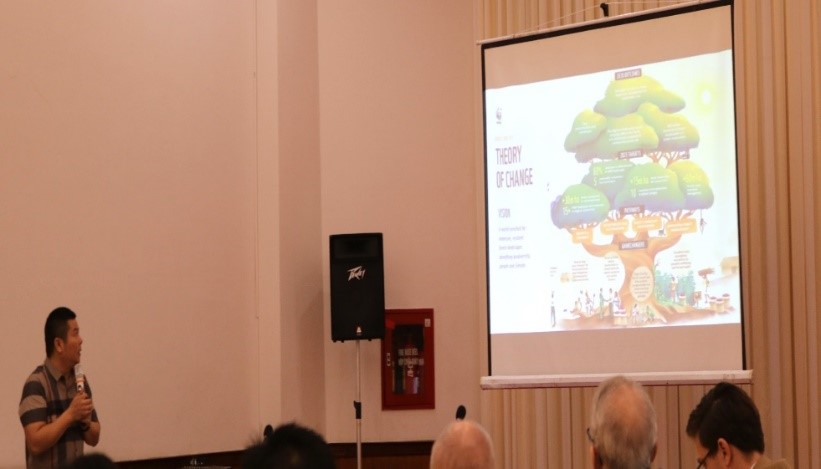
The introduction meeting witnessed significant participation from various stakeholders in the Vietnamese forest sector, as well as representatives from the Swedish Embassy. Le Xuan Phuong and Mats Sandewall provided an insightful overview of the Vietnamese forestry landscape and context. The presentations covered a diverse range of topics, including Vietnamese forest landscape restoration programs, theories of change, the One Billion Trees program, models for transforming native species seedlings in protected areas, and initiatives for developing coastal forests to mitigate climate change and promote green growth. These discussions offered fresh perspectives and innovative ideas for restoration efforts. Subsequently, engaging discussions and Q&A sessions ensued, with active participation from CR1 participants, professors, and program officers from the Vietnam team, effectively addressing various inquiries and concerns.
The introduction meeting witnessed significant participation from various stakeholders in the Vietnamese forest sector, as well as representatives from the Swedish Embassy. Le Xuan Phuong and Mats Sandewall provided an insightful overview of the Vietnamese forestry landscape and context. The presentations covered a diverse range of topics, including Vietnamese forest landscape restoration programs, theories of change, the One Billion Trees program, models for transforming native species seedlings in protected areas, and initiatives for developing coastal forests to mitigate climate change and promote green growth. These discussions offered fresh perspectives and innovative ideas for restoration efforts. Subsequently, engaging discussions and Q&A sessions ensued, with active participation from CR1 participants, professors, and program officers from the Vietnam team, effectively addressing various inquiries and concerns.
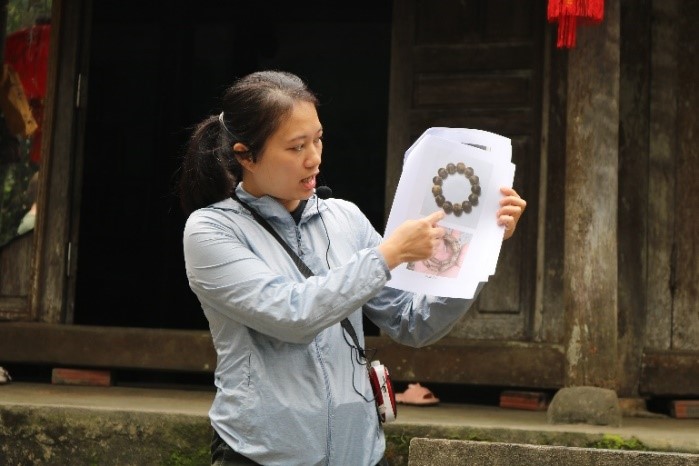
Our journey took us to Quang Ninh Province, where we embarked on a field visit to Tan Dan commune, showcasing the Vietnamese change project titled “Community-based Conservation of Aquilaria Species for Promoting Forest Restoration and Local Livelihoods,” led by Phung Thi Tuyen and Phung Trung Thanh. Upon arrival, we were warmly greeted by the hosting family and other community members, who joined us for a presentation on the project’s objectives and significance. Led by Tuyen and Thanh, we embarked on a guided tour of Mr. Triu’s farmstead, where we witnessed firsthand the cultivation of Aquilaria yunnanensis and various medicinal plants and fungi, alongside acacia trees. This immersive session, expertly facilitated by Tuyen and her team, allowed us to explore the forest trails, gaining insights into sustainable management practices. Notably, we observed the lucrative cultivation of Ganoderma species on dead trees, prompting discussions on economic potentials, challenges, and innovative solutions. Transitioning to Nepal, we delved into the practice of agarwood plantation, recognizing its role in sustainable resource production. Transitioning to Nepal, we delved into agarwood plantation practices, recognizing its role in sustainable resources production. A key takeaway emerged: Agarwood plantation, marked by meticulous cultivation and monitoring, offers a sustainable alternative to wild harvesting, thereby safeguarding endangered Aquilaria populations and fostering economic opportunities for local communities. Beyond its economic benefits, agarwood plantation contributes to environmental conservation efforts, presenting a compelling narrative of resilience and stewardship in forest restoration
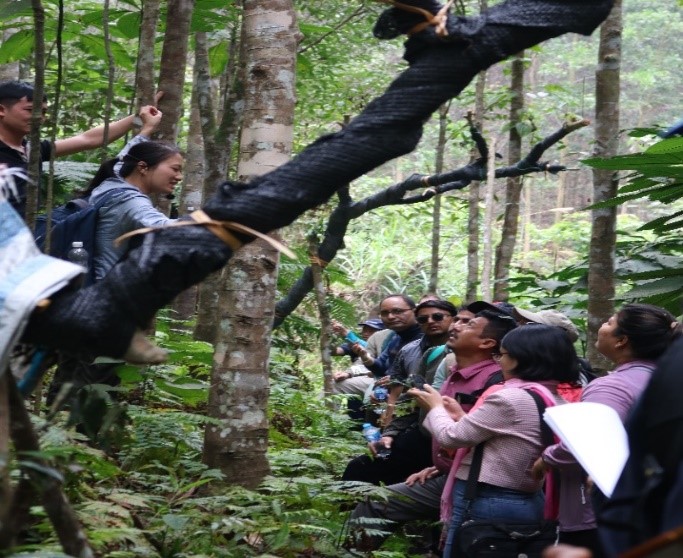
The following day, we immersed ourselves in the world of Acacia plantation forestry with an on-site visit. Led by a team from a state-owned forest company, including Director Ms. Huong and Technical Manager Mr. Noi, we gained firsthand insights into the entire value chain—from forest management practices to the processing and exportation of wood chips. Guided by experts from LEC, namely Mr. Vi, Ms. Tuyet, and Mr. Tien, we actively participated in the management of Acacia forests, delving into Silviculture operations and exploring their economic applications. The speakers provided in-depth knowledge on the technological aspects of operations, transportation logistics, and the manufacturing process of wood chips from Acacia trees. Engaging discussions ensued, covering topics such as ergonomics considerations, potential markets, and sustainable utilization practices, offering a comprehensive understanding of Acacia forestry management and its implications.
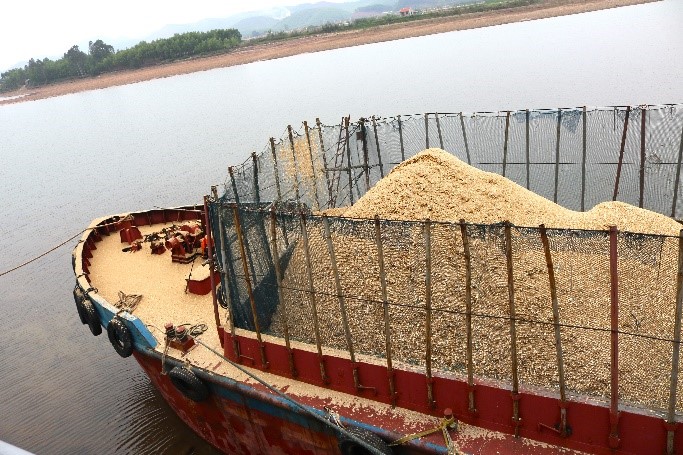
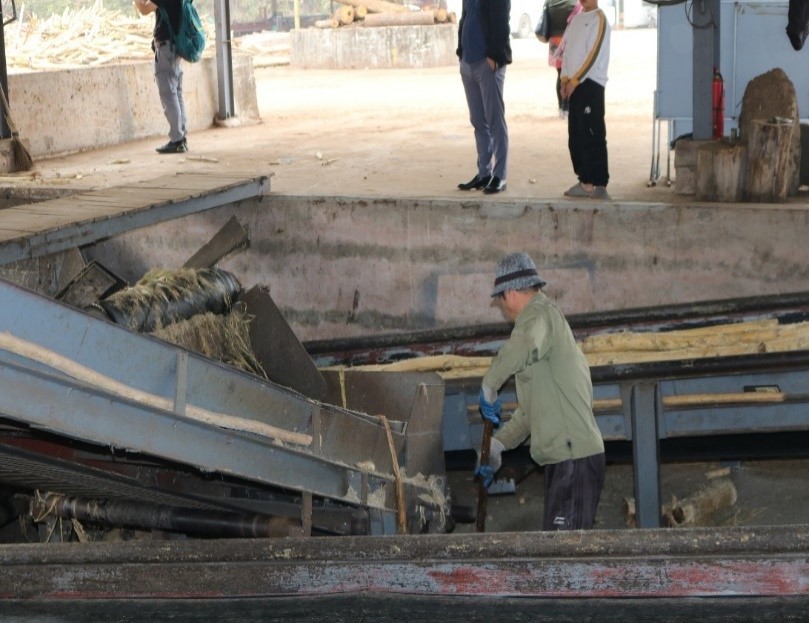
Afforestation practices in Vietnam:
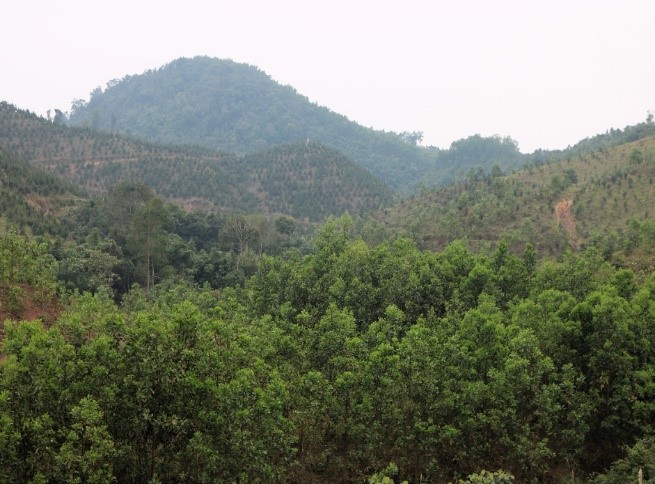
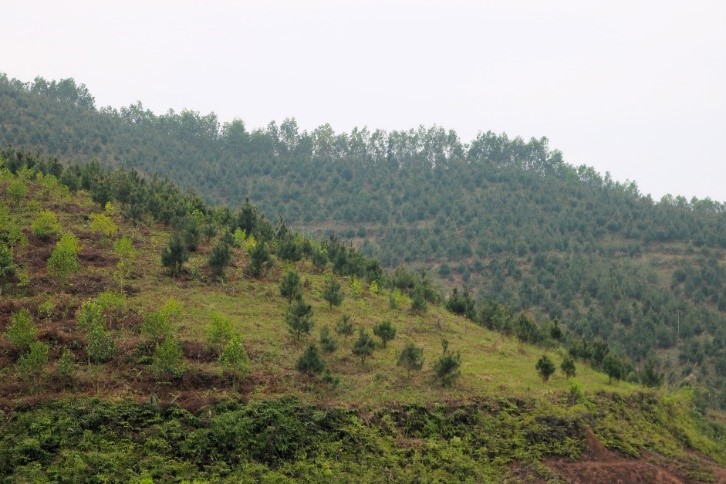
Following the workshops on restoration, we embarked on a guided field excursion to witness firsthand the meticulous management of the forests. It was awe-inspiring to witness the tangible impact of Vietnam’s ambitious one billion tree plantation program. Barren hillsides were a rare sight as we traversed the landscape, where trees stood tall, a testament to effective forest management practices. We observed the careful process of clear-cutting for various purposes, followed by swift afforestation efforts, with vast patches of newly planted trees stretching as far as the eye could see. It was a striking demonstration of the country’s commitment to sustainable forestry and environmental stewardship.
Field visit to mangrove plantation:
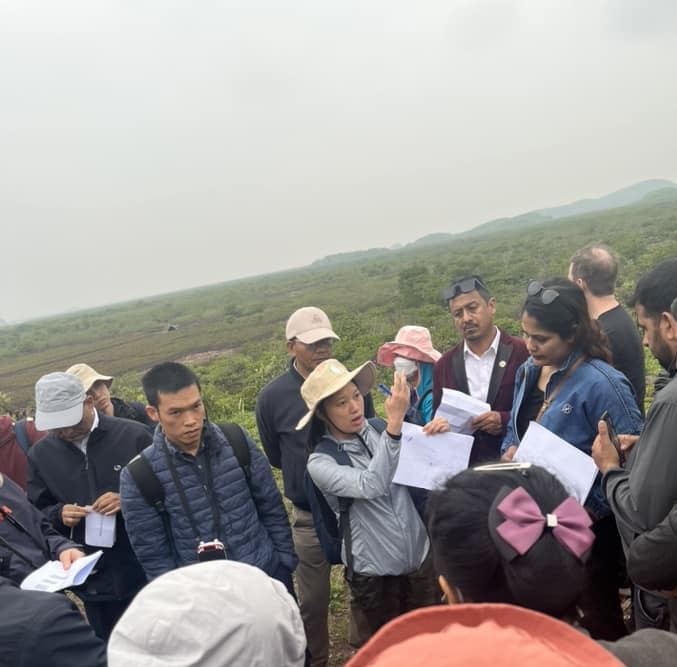
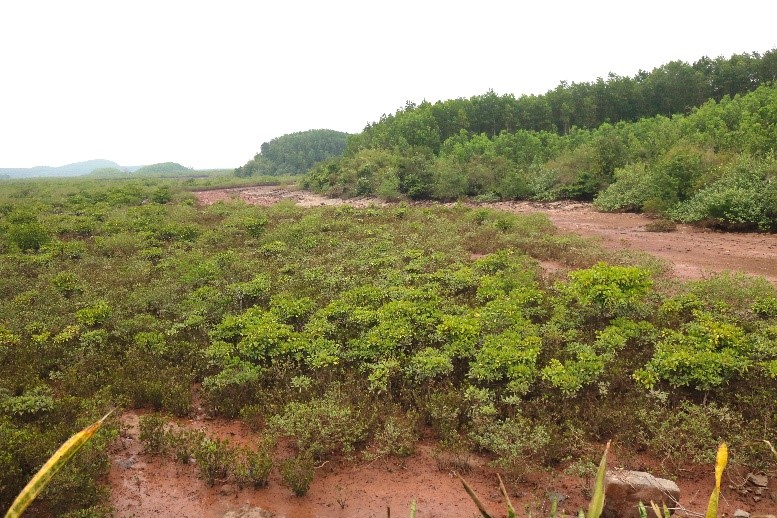
During our visit to the mangrove nursery, we were greeted by Ms. Tuyet, representing our partner company in the LEC. Vu Van Truong from VNUF provided us with an insightful overview of mangrove forest management and its associated challenges. Hailing from a landlocked country, we were captivated by our first encounter with mangrove plantation and astonished to discover its crucial roles in preventing soil erosion, sequestering carbon, and supporting livelihoods. Moreover, we delved into the specific context of mangrove plantation in Vietnam, where efforts are underway to restore and expand mangrove forests to combat environmental degradation and enhance coastal resilience. This restoration perspective in Vietnam involves not only the planting of new mangrove saplings but also comprehensive strategies such as community involvement, scientific research, and policy implementation to ensure the long-term success of mangrove restoration projects.
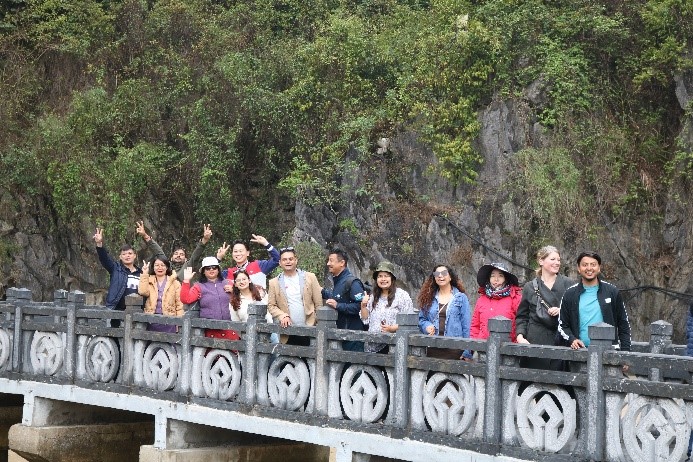
Recreational activities site visits: Caves, Halong Bay, Pearl enterprises The team’s concerted effort to facilitate participants’ exploration of recreational areas, including visits to caves, seas, and other natural sites, is commendable. This helped us to deepen our understanding of biodiversity and forest resource management, encompassing elements like souvenirs and paintings. Beyond conventional field trips and presentations, the team ensures visits to cultural heritage sites and historical landmarks, providing valuable insights into forest protection strategies and their broader economic implications for the country.

Gastronomy in Vietnam:
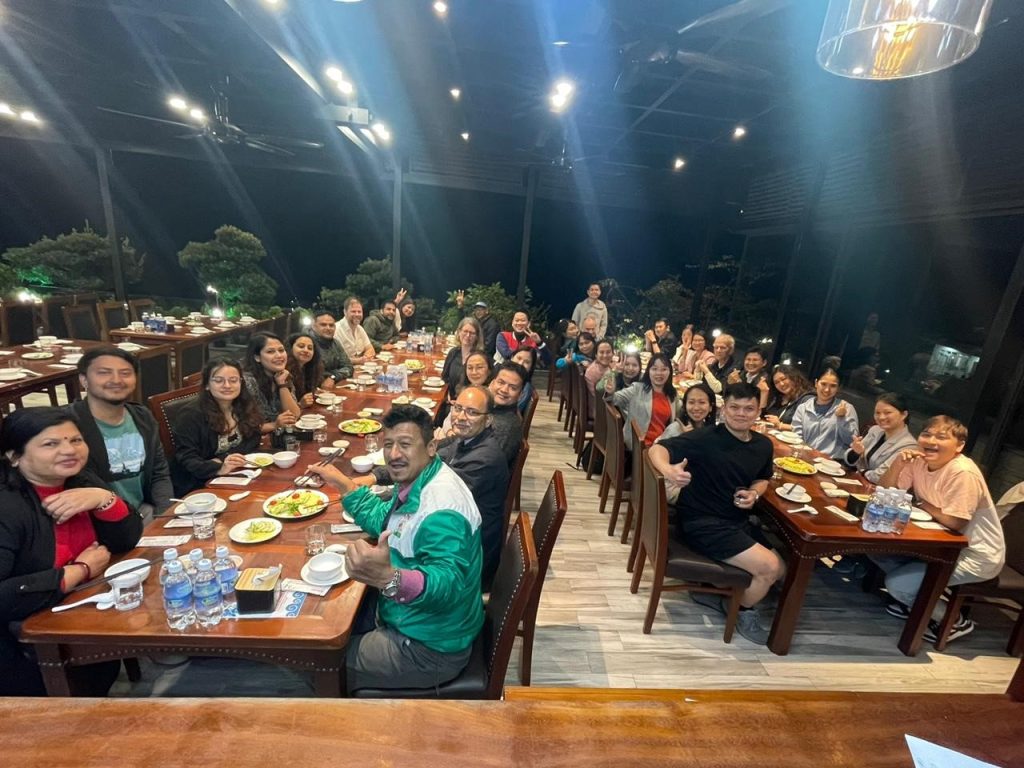
Our journey through Vietnam’s gastronomic wonders, guided by the dedicated VNUF and locoforest team, was a sensory symphony of culinary delights. From the rich tapestry of flavors adorning our table to the insightful narratives woven into each dish, every moment was a celebration of Vietnam’s diverse food culture. We marveled at Vietnam’s emphasis on health gastronomy, skillfully harnessing locally available resources to create nourishing masterpieces. Yet, beyond the exquisite flavors, it was the bonds of camaraderie between the mentors, Participants, professors forged over shared meals that truly enriched our experience. Amidst laughter and shared stories, we discovered not only the essence of Vietnamese cuisine but also the beauty of cultural exchange, leaving us with cherished memories to savor for a lifetime.

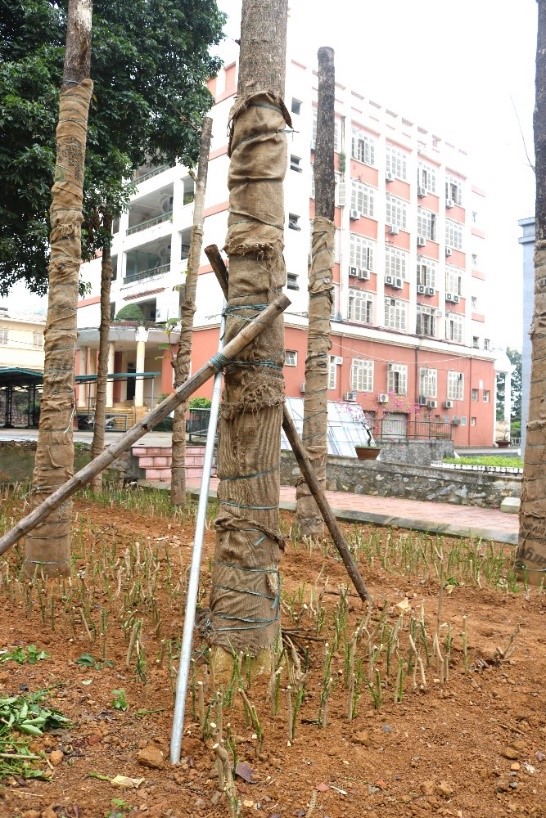
Tree relocations around the premises of Vietnam National Forestry University
Following the removal of the 20-year-old trees from the site allocated for the construction of the new building of the Vietnam National University of Forestry, these trees were meticulously relocated to another location within the university premises. This learning from the tree relocation serves as a valuable example for promoting sustainable development and environmental stewardship in our own country. It illustrates how prioritizing the preservation of natural resources and integrating green spaces can foster the creation of more resilient and harmonious communities for generations to come.
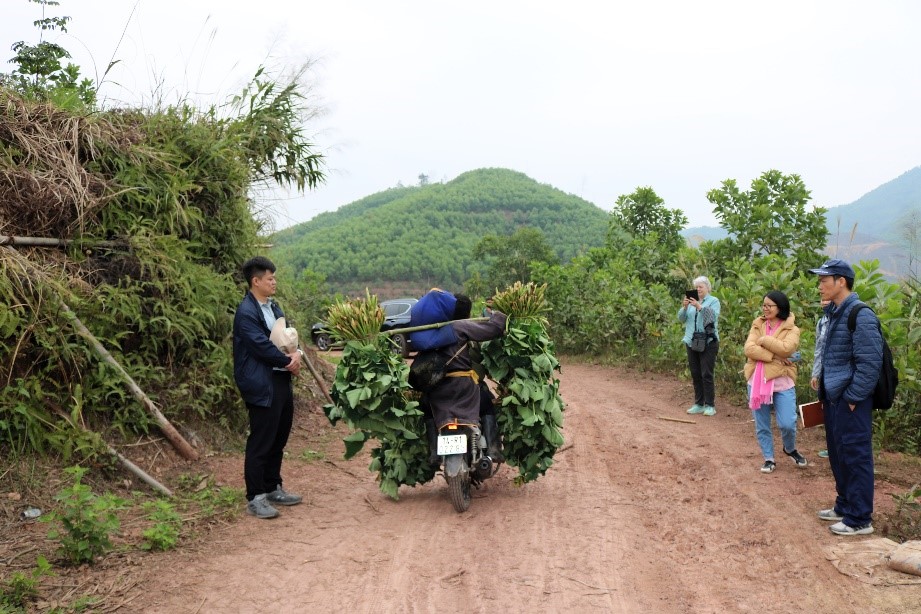
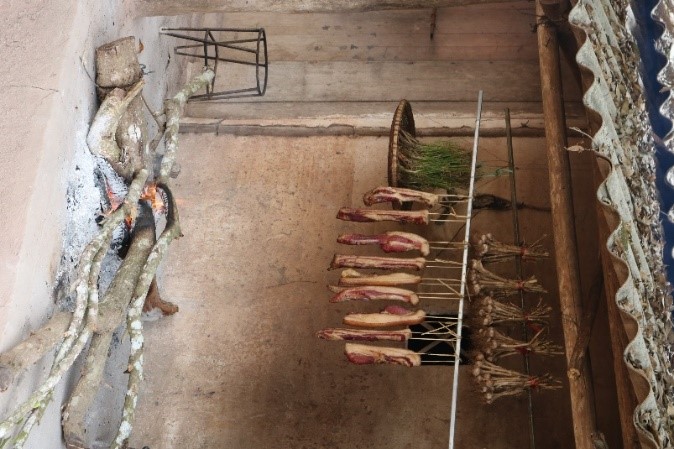
The field trips offered invaluable insights into the socio-economic landscape of Vietnam, illuminating the intricate relationship between its people and forest resources. Among the striking observations was the reliance on locally produced resources, with an export rate surpassing imports, highlighting the self-sufficiency and economic significance of Vietnam’s natural resources.
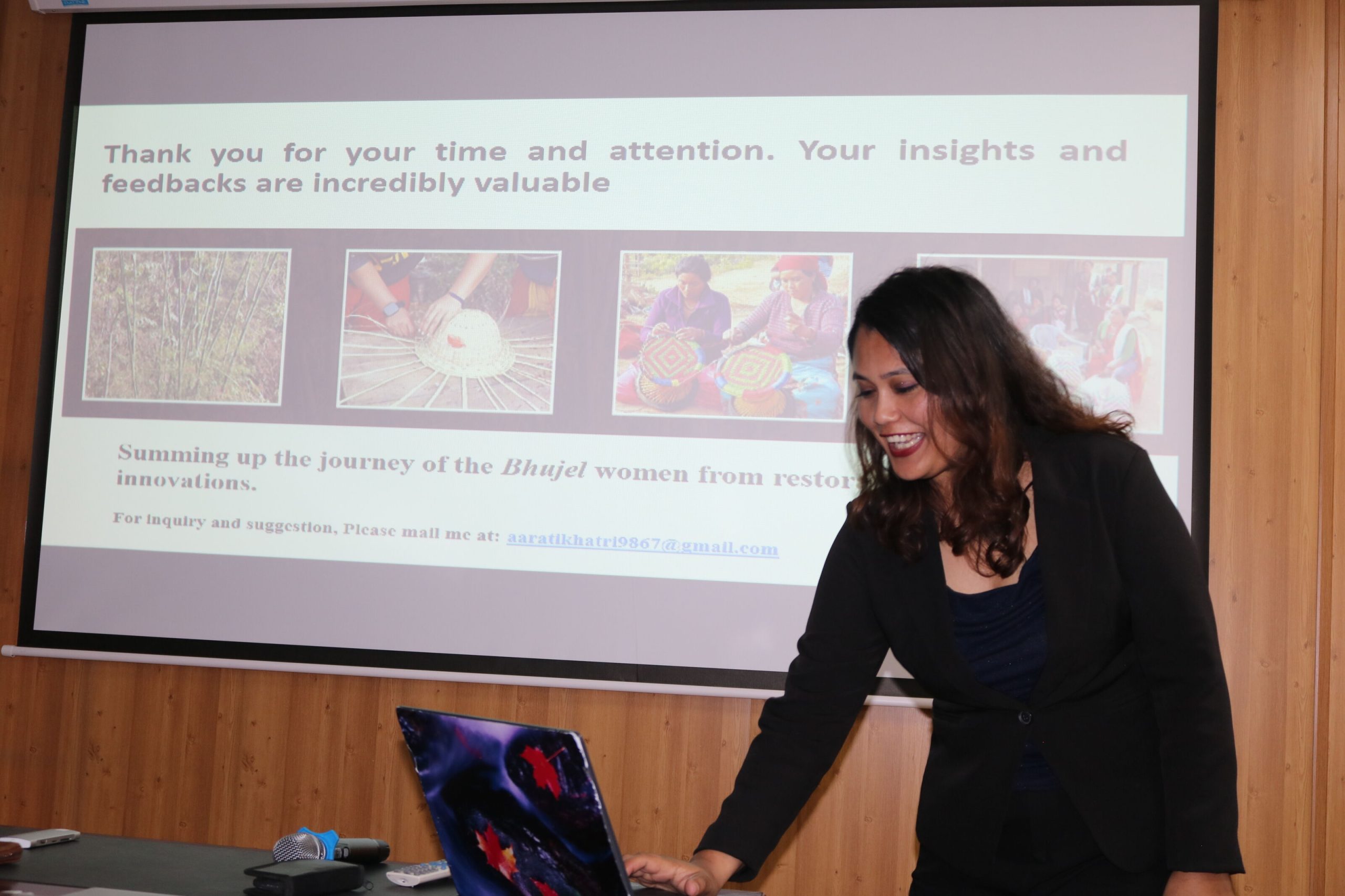
Change plan presentation
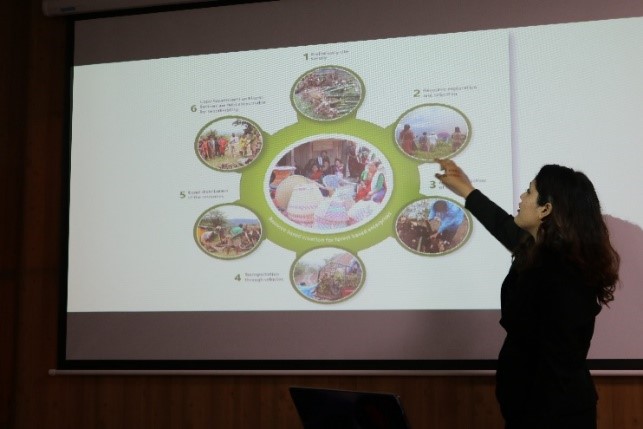
After a year-long mentorship program, which included immersive field visits, workshops, and meetings conducted within the well-equipped premises of VNUF, we unveiled our meticulously crafted change plan. This presentation sparked engaging discussions and elicited constructive feedback from the mentors of the LoCoForest team and the esteemed professors of VNUF, all aimed at enhancing the innovation embedded within our strategies.
Reflecting on my transformative journey as a participant of the LoCoForest program in Vietnam fills me with immense gratitude towards the dedicated team at LoCoForest and the Vietnam National Forestry University (VNUF). Their unwavering commitment ensured that we experienced the rich tapestry of Vietnam’s culture, from its vibrant gastronomy to its profound natural resources management and cultural heritage. Through engaging discussions with professors, I gained profound insights into Vietnam’s resilience and progress despite enduring three decades of conflict. Witnessing the country’s remarkable reconstruction within a span of less than 50 years left an indelible impression on me. The warmth and generosity of the Vietnamese people, coupled with the meticulous guidance of the professors, researchers, and students at VNUF, made our learning experiences truly unforgettable. From exploring local markets to delving into the country’s history and development, every moment was infused with meaning and significance. Vietnam’s story of resilience, progress, and hospitality serves as a profound source of inspiration, leaving me with a renewed sense of purpose and gratitude as I depart, carrying the invaluable lessons learned during my time in this culturally diverse and resilient nation.